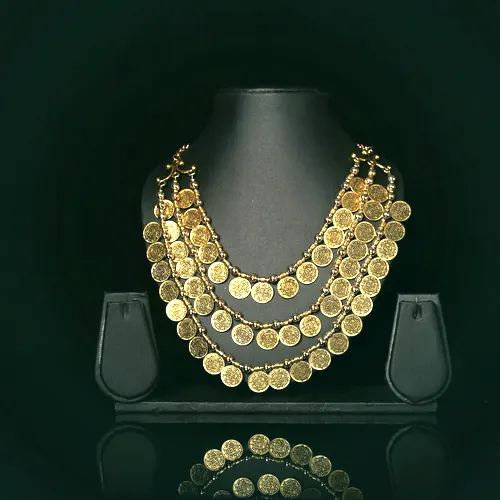
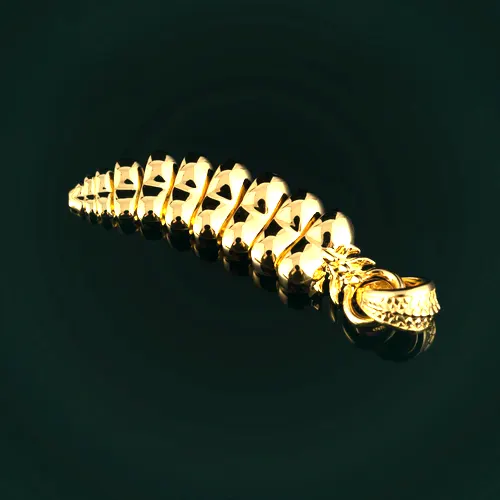
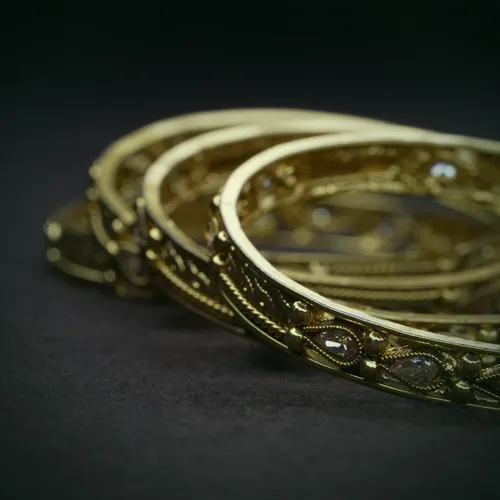
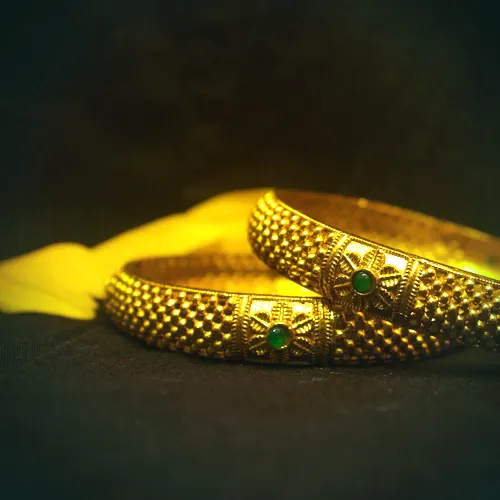
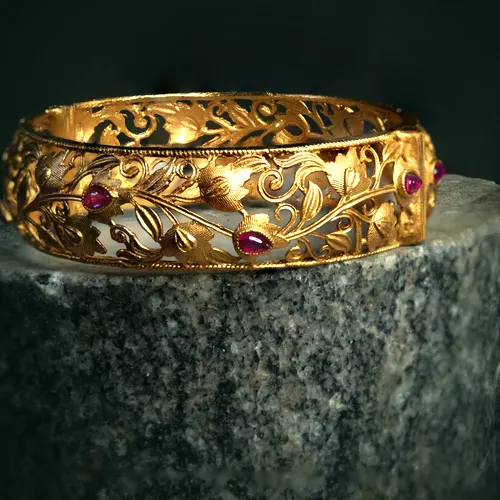
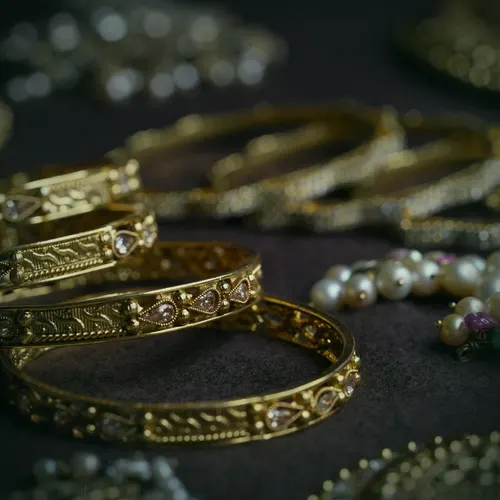
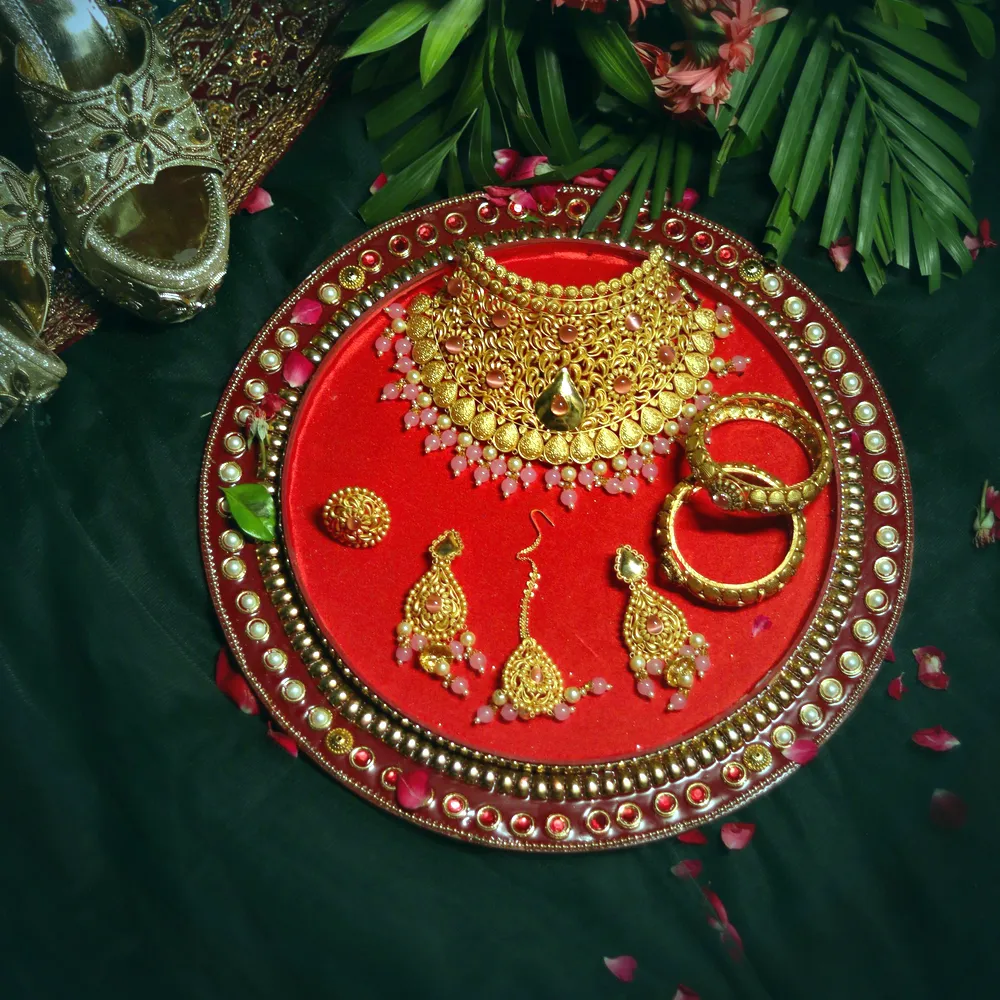
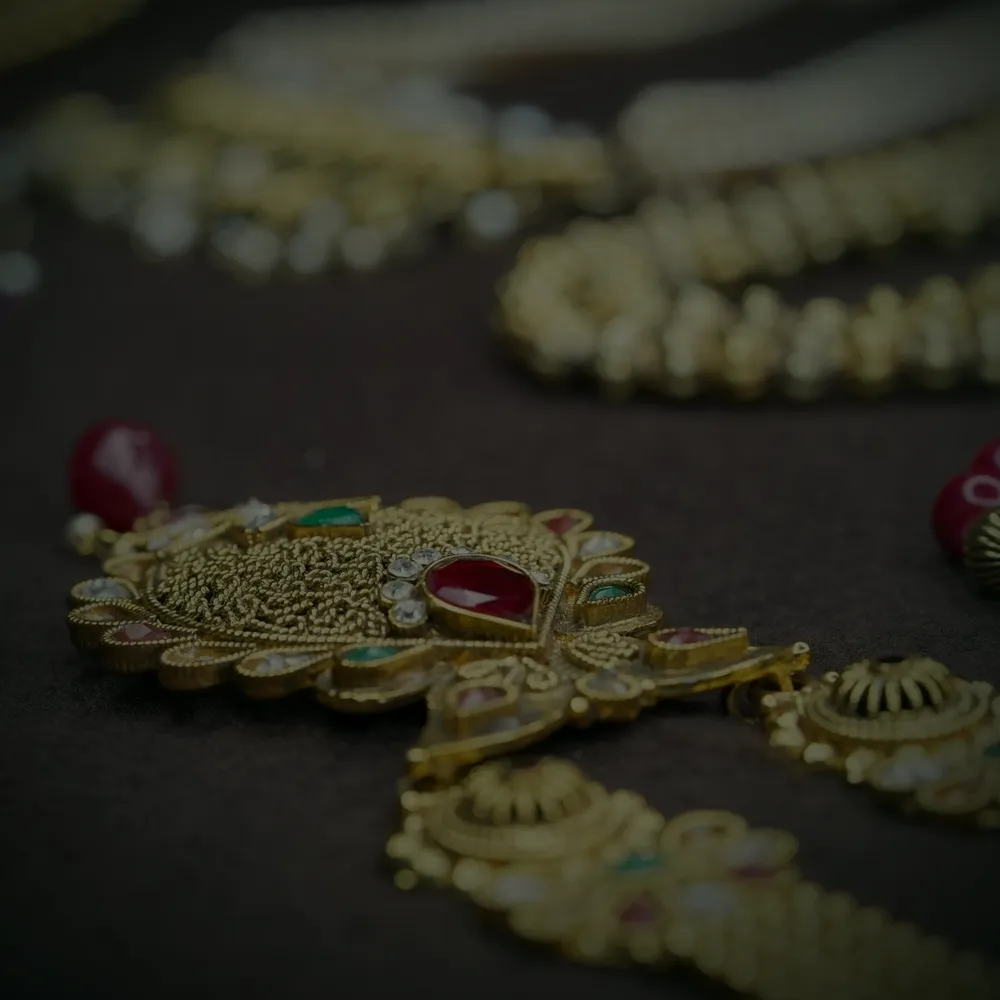
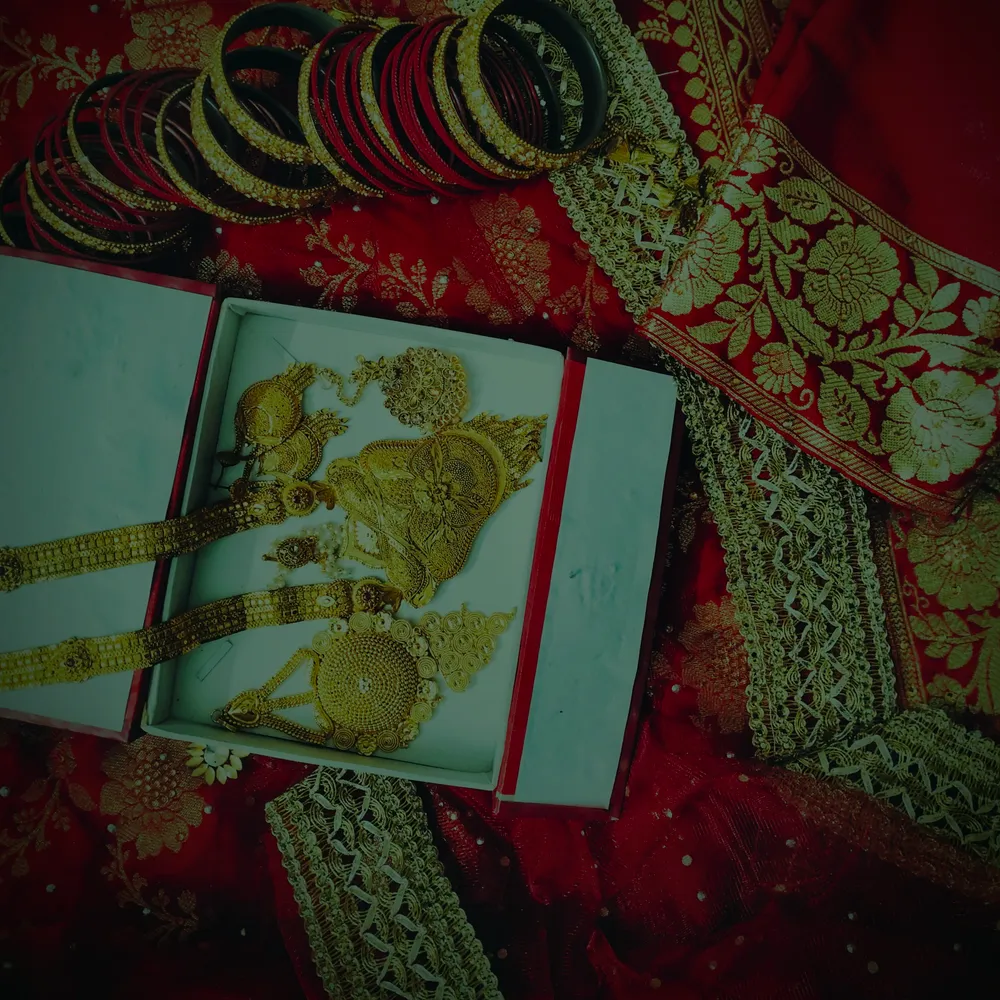
A making charge is what you pay for turning gold into a piece. It covers the bench work, the metal lost when gold is cut, drawn and soldered, and our margin. It is not a fee added on top of a fair price — it is the price of the work.
Ours run from 9% to 18% of the gold value. The exact figure is printed next to every piece above.
Why it varies
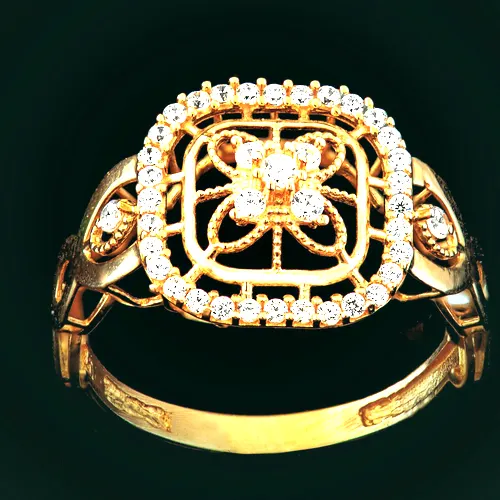
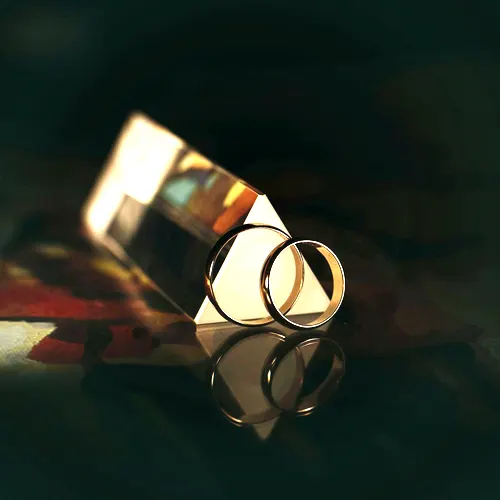
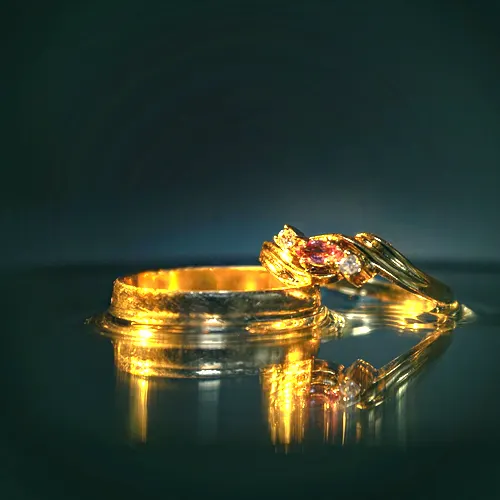
The plain band ring is9% — it is turned, sized and polished, under an hour at the bench. Thejali cocktail ring is18% because forty-one grain settings were cut and closed by hand in the top of it.
Note what that means: the ring at 18% weighs6.9 g and the one at9% weighs4.2 g. You are paying for time at the bench, not for weight, which is why a heavier piece can cost less to make than a lighter one. The gold is the gold; the difference between two shops is here.
Three things we don’t do
- We don’t add a separate wastage percentage. Some shops quote a low making charge and then add 8–12% “wastage” when you get to the counter. Ours already includes it. The percentage you read here is the percentage you pay.
- We don’t quote making charges per gram. Per-gram quoting looks cheap on a light piece and gets expensive quickly on a heavy one. A percentage behaves the same way at every weight, so you can compare two pieces honestly.
- We don’t hide it inside an inflated gold rate. Our rate is the market rate, posted every morning at the top of this page.
How to compare us with anyone else
Ask three questions: what is your rate per gram today, what is the making charge as a percentage, and is wastage included in it. Write the three numbers down for each shop and the comparison does itself. A shop that answers with a single all-in figure and will not break it into those three is a shop that is hiding one of them.